
Decarbonizing Logistics: Green Shipping Options for Bali Exports by 2027
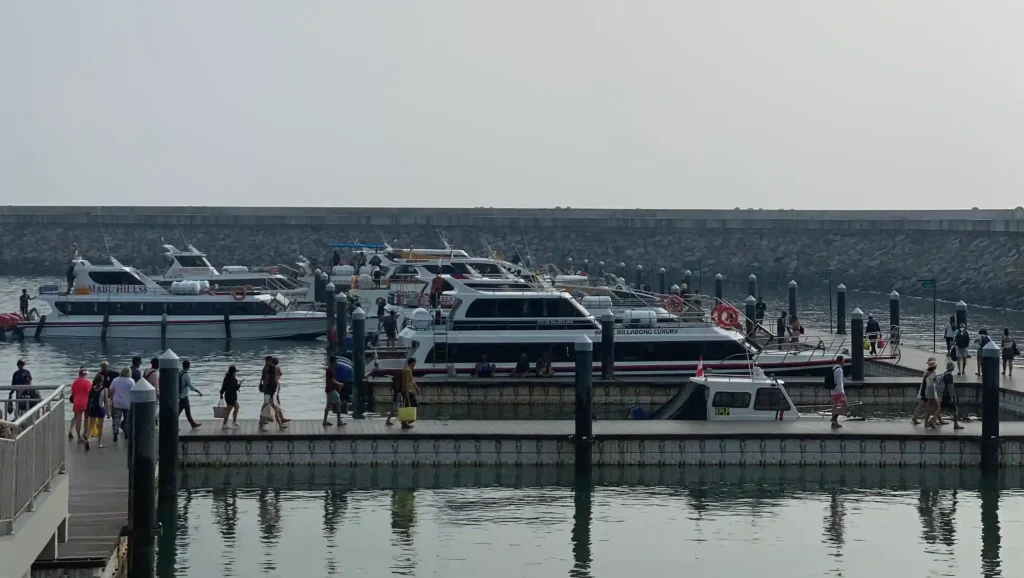
Bali export brokers are actively exploring green shipping options to decarbonize logistics by 2027, focusing on sustainable practices like biofuel-powered vessels, optimised routing, and carbon offsetting schemes. This initiative aims to reduce the environmental impact of exporting goods from Bali, aligning with global sustainability goals and meeting increasing client demand for eco-friendly supply chains.
Green Shipping Bali Exports: A 2027 Horizon
The global shipping industry is under increasing pressure to reduce its carbon footprint. For Bali export brokers, this imperative translates into a focused drive towards decarbonizing logistics for goods leaving the island. By 2027, significant shifts are anticipated in how products are moved, with a clear emphasis on sustainable practices. This transition is not merely about compliance but about enhancing brand value, meeting consumer expectations, and ensuring long-term operational viability for businesses exporting from Bali.
Working with an experienced Bali export broker becomes crucial in navigating these evolving green shipping landscapes. They are well-placed to identify and implement options that minimise environmental impact while maintaining efficiency and cost-effectiveness. The focus is on innovative solutions that address the specific challenges of island logistics and international freight.
Sustainable Logistics Indonesia: Charting a Greener Course
Sustainable logistics Indonesia-wide involves a multifaceted approach. For Bali exports, this includes a careful evaluation of every stage of the supply chain, from local transport to international sea and air freight. The goal is to integrate practices that lower greenhouse gas emissions and promote resource efficiency.
- Biofuel Adoption: A primary area of exploration involves the increased use of advanced biofuels in maritime shipping. While full-scale adoption faces infrastructure and cost hurdles, pilot programmes and a gradual shift towards blends are expected by 2027. This offers a direct route to reducing emissions from ocean freight.
- Optimised Shipping Routes: Data analytics and AI are playing an increasingly important role in optimising vessel routes. By minimising transit distances and avoiding adverse weather conditions, fuel consumption can be significantly reduced, leading to lower emissions for Bali home decor export and other commodities.
- Fleet Modernisation: Investment in newer, more fuel-efficient vessels, equipped with advanced propulsion systems, is a long-term strategy for shipping lines. Brokers will increasingly favour carriers demonstrating commitment to fleet modernisation.
- Port Efficiency: Improvements in port operations, such as cold ironing (providing shore power to ships at berth) and faster turnaround times, contribute to reduced emissions by limiting auxiliary engine use.
Carbon Neutral Export Bali: Strategies for 2027
Achieving carbon neutral export Bali is an ambitious but attainable goal, relying on a combination of emission reduction and effective offsetting. By 2027, more comprehensive strategies will be in place to help businesses declare their exports as carbon neutral.
Carbon Offsetting Programmes
For emissions that cannot be directly eliminated, carbon offsetting remains a viable strategy. This involves investing in projects that reduce greenhouse gases elsewhere, such as reforestation, renewable energy initiatives, or community-based clean cooking solutions. Reputable certification bodies ensure the integrity and additionality of these offset credits.
Incentivising Green Practices
Governments and international bodies are likely to introduce more incentives for shipping lines and exporters to adopt greener practices. This could include preferential port access, reduced tariffs for eco-friendly cargo, or subsidies for sustainable fuel development.
Technological Advancements in Green Logistics
Technology is a key enabler for decarbonizing logistics. Digital platforms offering real-time tracking of emissions, blockchain for transparent supply chains, and AI for predictive analytics are becoming standard tools. These technologies allow export brokers to provide clients with granular data on their shipments’ environmental impact, fostering greater accountability and informed decision-making.
Consider the table below illustrating potential shifts in shipping practices by 2027:
| Practice Area | Current Status (2024 Est.) | Projected Status (2027 Est.) | Impact on Bali Exports |
|---|---|---|---|
| Biofuel Use | Limited trials, niche routes | Increased blends, more routes | Lower direct emissions from ocean freight |
| Route Optimisation | Basic GPS, manual planning | AI-driven, weather-aware routing | Reduced fuel consumption, faster transit |
| Carbon Offsetting | Voluntary, ad-hoc | Structured programmes, certified | Enhanced carbon neutral export options |
| Data Transparency | Basic tracking | Real-time emissions data per shipment | Improved reporting for clients |
2027 Note: The year 2027 marks a critical juncture for the global shipping industry, with many international regulations and corporate sustainability targets coming into effect. Bali export brokers are positioning themselves to meet these demands by implementing proactive strategies that ensure compliance and competitive advantage through green shipping options.
FAQ
What are the evolving green shipping and logistics options that Bali export brokers are exploring to reduce carbon footprints by 2027?
Bali export brokers are exploring several evolving green shipping and logistics options by 2027, including the increased adoption of sustainable marine fuels such as biofuels and LNG, optimising shipping routes through advanced digital tools to reduce fuel consumption, investing in more energy-efficient vessel technologies, enhancing port operational efficiencies to minimise idle time, and integrating robust carbon offsetting programmes for unavoidable emissions.
How will these green shipping initiatives affect the cost and transit times for Bali exports?
Initially, green shipping initiatives may introduce some additional costs due to investment in sustainable fuels and technologies. However, optimised routing and improved port efficiencies could lead to more predictable and potentially faster transit times in the long run. The market is also seeing a growing willingness by consumers and businesses to pay a premium for sustainably transported goods, which could offset some of these increased costs.
What role do international regulations play in shaping Bali’s green export logistics by 2027?
International regulations, such as those from the International Maritime Organization (IMO) aimed at reducing greenhouse gas emissions from shipping, significantly influence Bali’s green export logistics by 2027. These regulations set targets and introduce measures like the Carbon Intensity Indicator (CII) and the Energy Efficiency Existing Ship Index (EEXI), compelling shipping lines and their partners, including Bali export brokers, to adopt greener practices to ensure compliance and avoid penalties.