Sustainable Bali Exports: A Broker’s 2027 Guide to Eco-Friendly Sourcing
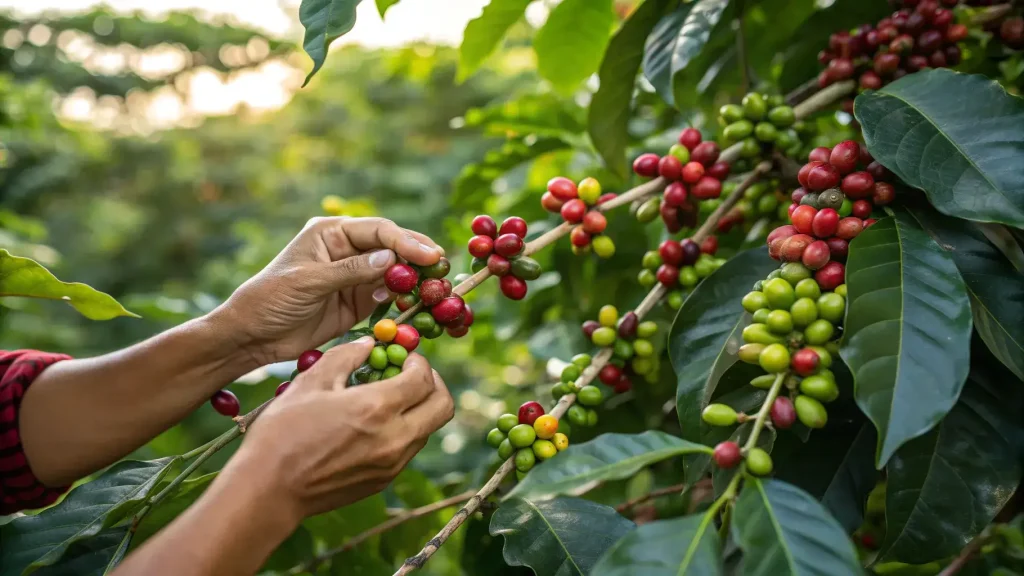
The rise of sustainable Bali exports is driven by increasing global demand for ethical and eco-friendly products. By 2027, brokers must focus on verified ethical sourcing in Bali, ensuring transparency in supply chains and adherence to environmental standards, making sustainable Bali exports a key differentiator for international buyers seeking responsible trade.
The Global Shift Towards Sustainable Bali Exports in 2027
The global marketplace is undergoing a profound transformation, with sustainability moving from a niche consideration to a core expectation. For an export broker in Bali, this shift presents both challenges and significant opportunities. By 2027, buyers are not merely interested in product aesthetics or price; they demand provenance, ethical production, and minimal environmental impact. This is particularly true for items originating from Bali, an island renowned for its artisanal craftsmanship and natural beauty. The emphasis is firmly on sustainable Bali exports, ensuring that the unique products offered contribute positively to both local communities and the planet.
Navigating this landscape requires an in-depth understanding of local practices, international standards, and the evolving expectations of the consumer. An effective Bali export broker acts as a crucial conduit, bridging the gap between conscientious international buyers and local producers committed to ethical and eco-friendly product export Indonesia. This involves rigorous vetting, ongoing education, and a commitment to transparency across the entire supply chain.
Ethical Sourcing Bali: Foundations for Future Trade
Ethical sourcing in Bali is more than a buzzword; it is the bedrock of future export success. For 2027, this means moving beyond basic compliance to proactive engagement with producers. Key aspects include fair wages, safe working conditions, and the absence of child labour. A reputable broker will have established long-term relationships with artisans and workshops, fostering trust and ensuring these principles are upheld. This often involves regular on-site visits, independent audits, and a clear code of conduct for all suppliers.
Consideration must also be given to the broader community impact. Does the production process support local economies sustainably? Are traditional crafts preserved and respected? These are questions that discerning buyers will ask, and a broker must be prepared to answer with verifiable information. For example, a broker might specialise in connecting buyers with Bali home decor export suppliers who use sustainably harvested local materials and provide skills training for their employees.
Eco-Friendly Product Export Indonesia: Materials and Processes
The environmental footprint of products exported from Indonesia, and specifically Bali, is under increasing scrutiny. Eco-friendly product export Indonesia by 2027 will primarily focus on renewable resources, waste reduction, and energy efficiency. This includes:
- Sustainable Materials: Prioritising materials such as reclaimed teak, bamboo, coconut wood, and organic textiles. Brokers must verify the origin and certification of these materials.
- Reduced Waste: Encouraging producers to adopt ‘zero-waste’ or ‘low-waste’ manufacturing processes, including recycling off-cuts and utilising natural dyes.
- Water and Energy Conservation: Supporting workshops that implement water-saving techniques and explore renewable energy sources for their operations.
- Packaging Innovation: Shifting away from single-use plastics towards biodegradable or recycled packaging materials for international shipping.
A broker’s role here is to identify and promote producers who are actively innovating in these areas, providing a clear advantage in the competitive export market. Documentation and certification, such as FSC for timber or GOTS for textiles, become increasingly important for validating claims of eco-friendliness.
Transparency and Traceability: The 2027 Standard
For sustainable Bali exports, transparency and traceability are paramount by 2027. Buyers want to know the journey of their products from raw material to final shipment. This means robust documentation, clear communication, and, where possible, digital tracking solutions. A broker should be able to provide detailed information on:
| Element | Description | Broker’s Role |
|---|---|---|
| Material Origin | Source of raw materials (e.g., specific forest, farm) | Verify supplier documentation & certifications |
| Production Location | Specific workshop/factory address in Bali | Conduct site visits, maintain supplier profiles |
| Artisan Welfare | Fair wages, safe conditions, community support | Implement ethical codes, conduct audits |
| Environmental Impact | Energy use, waste management, water footprint | Gather data, encourage sustainable practices |
| Logistics Chain | Shipping methods, carbon offsetting options | Advise on greener freight solutions |
This level of detail builds trust and demonstrates a genuine commitment to sustainability, distinguishing a forward-thinking Bali export broker from less diligent competitors.
The Broker’s Role in Fostering Sustainable Growth
Ultimately, the Bali export broker is instrumental in fostering sustainable growth for both local producers and international clients. This involves educating producers on global sustainability trends, helping them adapt their practices, and connecting them with buyers who value these efforts. It also means advising buyers on the nuances of sourcing ethically and environmentally responsibly from Bali. The broker becomes an educator, an auditor, and a facilitator, ensuring that the entire export process aligns with the principles of sustainability.
By 2027, the brokers who embrace these principles will be the ones who thrive, building long-lasting relationships based on mutual respect, environmental stewardship, and social responsibility. This approach secures the future of Bali’s unique export market, ensuring its continued contribution to the global economy in a responsible manner.
2027 Note: The information presented reflects current projections and industry trends for sustainable sourcing and ethical trade practices. Market conditions and regulatory frameworks are subject to evolution, and continuous adaptation by all stakeholders will be crucial for success.
FAQ
How can international buyers ensure ethical and eco-friendly sourcing practices when working with a Bali export broker in 2027?
International buyers can ensure ethical and eco-friendly sourcing by partnering with a Bali export broker who provides transparent supply chain documentation, conducts regular on-site audits of producers, verifies material origins and certifications (e.g., FSC, GOTS), and demonstrates a clear commitment to fair labour practices and waste reduction initiatives. Buyers should request evidence of these practices and engage in open communication with their broker.
What are the primary challenges for eco-friendly product export from Indonesia by 2027?
By 2027, primary challenges for eco-friendly product export from Indonesia include maintaining consistent quality across sustainable materials, ensuring widespread adoption of green production techniques by local artisans, navigating evolving international environmental regulations, and managing the potentially higher costs associated with ethical sourcing and sustainable logistics. Supply chain transparency remains a significant challenge to implement across all scales of production.
How do sustainable Bali exports benefit local communities and the environment?
Sustainable Bali exports benefit local communities by ensuring fair wages, safe working conditions, skill preservation, and economic stability for artisans. Environmentally, they promote the use of renewable resources, reduce waste and pollution from production processes, encourage responsible land management, and support the conservation of Bali’s natural ecosystems. This holistic approach contributes to long-term well-being on the island.